What Is an AI Processor? Types and Uses
Learn what an AI processor is, how it works, its main types, real-world uses, key benefits, and the advances shaping future AI systems.
What Is an AI Processor?
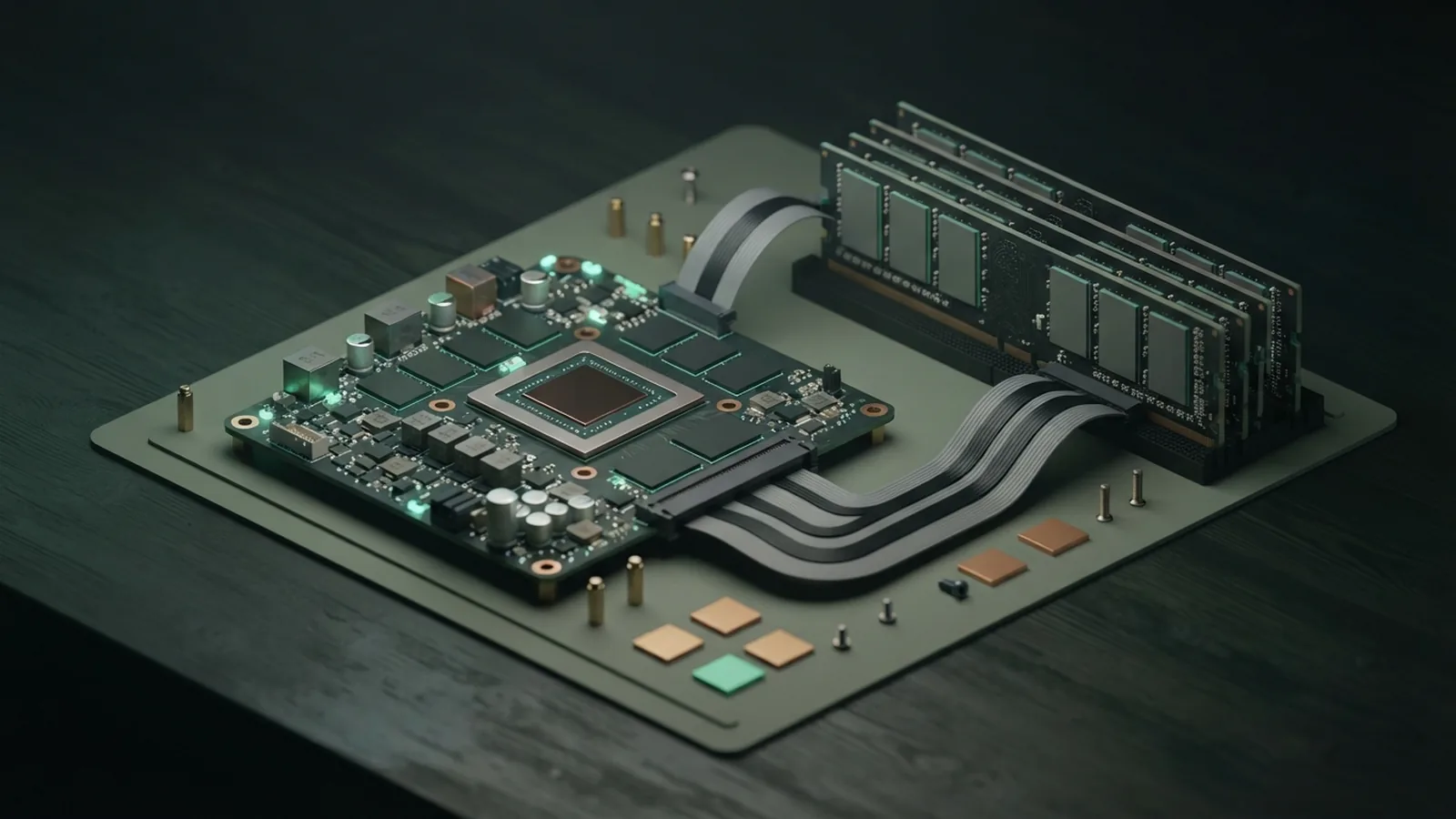
An AI processor is special hardware built to speed up machine learning and deep learning tasks. It handles the matrix math behind neural networks far faster than many general-purpose chips. These tasks include training models, sorting data, and running predictions.
A normal CPU can run AI software, but it may waste power on repeated math. A GPU can run many tasks at once, yet it was first built for graphics. AI processors use chip layouts made for neural network work. They move data less often and perform more useful operations per watt.
This answer covers the common meaning of “what is an AI processor.” It also explains a term that causes confusion: “Q4 AI processor.” Q4 is not a widely accepted class of AI chip. In many AI tools, Q4 means a four-bit model format that cuts memory use. It may also be a product name, so the exact maker and model matter.
- AI chips speed up model training and model use.
- They focus on repeated math and fast data movement.
- They can lower power use for large AI workloads.
- They appear in servers, phones, cars, cameras, and robots.
How AI Processors Work
Most AI models rely on matrix operations. A matrix is a grid of values that a chip can multiply and add. Neural networks repeat these steps across many layers. An AI processor packs many small math units close together.
The chip also uses special memory paths. These paths keep model weights and data near the math units. Less data travel means less delay and lower power use. This design matters when a model must answer thousands of requests each second.
AI chips often support lower number formats. For example, eight-bit values use less memory than 32-bit values. Lower precision can speed up inference, which means using a trained model. Engineers test accuracy before choosing a smaller format.
Training needs a different balance. It uses large datasets and repeated updates to model weights. Inference often needs low delay and steady power use. A cloud server may favor raw speed. A phone or camera may favor small size and battery life.

Main Types of AI Processors
No single chip suits every AI job. Each processor type balances speed, cost, power, and flexibility. The best choice depends on the model and where it will run.
| Type | Best fit | Main strength |
|---|---|---|
| GPU | Large model training and graphics | Many parallel math units |
| TPU | Tensor-heavy cloud workloads | Strong matrix processing |
| NPU | On-device AI | Low power and fast local inference |
| RDU | Data movement and stream work | Fast flow between memory and compute |
| FPGA | Custom and changing systems | Reprogrammable hardware paths |
| LPU | Language model inference | Fast token generation |
GPUs remain popular because they offer broad software support. TPUs, or tensor processing units, focus on tensor math used by many models. NPUs, or neural processing units, now appear in phones and laptops. They can process voice, photos, and small language models without sending data to a server.
RDUs, or reasoning data units, focus on moving and handling data for AI systems. The name is newer and may describe different designs by different vendors. FPGAs can be rebuilt for a chosen task after sale. LPUs, or language processing units, target language model inference and fast response times.
These labels can overlap. A modern chip may include CPU, GPU, and NPU blocks in one package. Always check the chip maker’s measured workload results. A peak speed figure alone cannot predict real results.
Where AI Processors Are Used
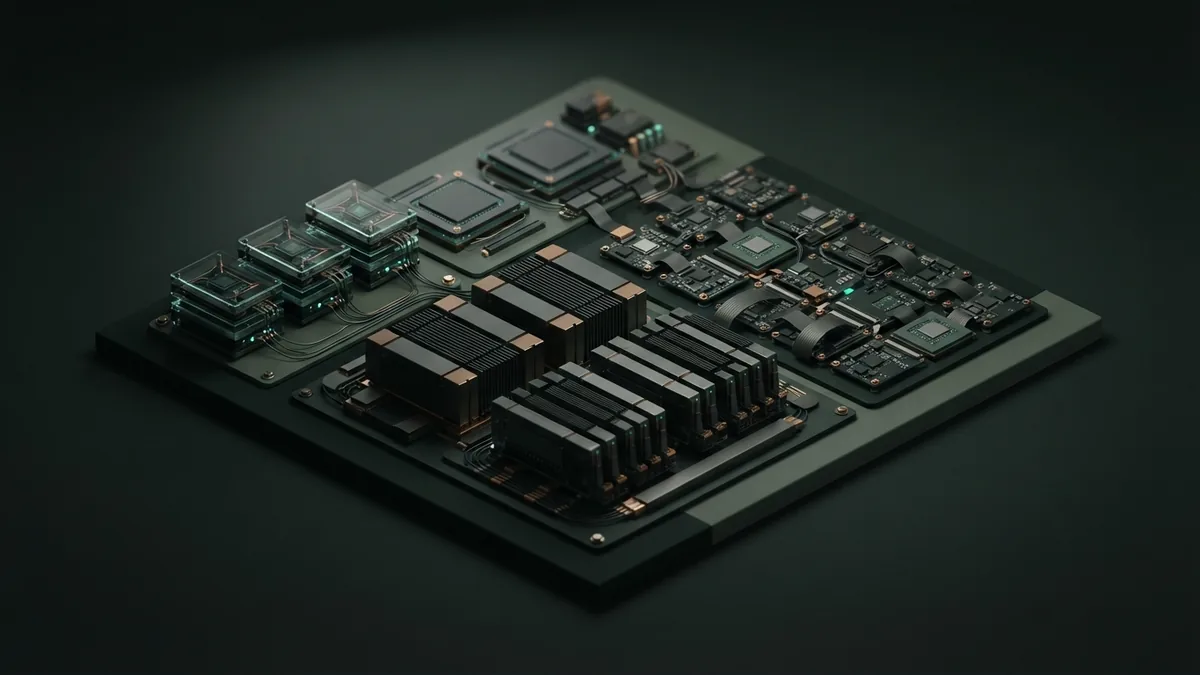
AI processors now support work in many fields. Data analysis is one major use. A chip can scan large data sets, spot patterns, and rank likely outcomes. Banks, labs, shops, and factories use these tools for risk checks and forecasts.
Customer service systems use AI chips to sort requests and draft replies. Speech systems can turn spoken words into text with low delay. Real-time language processing can translate speech or suggest a response during a call. Local processing can also keep private data on the device.
Code development is another growing use. AI systems can inspect code, predict likely edits, and explain errors. A local NPU can handle smaller coding tools without a constant network link. Larger models still need server chips for wider context and stronger reasoning.
AI processors also help cameras, cars, medical tools, and factory machines. A camera can detect motion without sending every frame to the cloud. A car can read its surroundings within tight time limits. A factory tool can flag faults before a line stops.
- Cloud data centers: Train and serve large models at high volume.
- Phones and laptops: Run voice, image, and assistant features locally.
- Factories: Find defects and predict equipment faults.
- Transport: Process sensor data with short response times.
- Research: Test models across large scientific data sets.

Benefits of Using AI Processors
The main benefit is speed. An AI processor can complete more model operations in less time. This gain helps both training and inference. Faster work can also cut the cost of each answer.
Power savings matter just as much. A chip built for one workload avoids unused parts of a broad CPU. That can extend battery life in a phone or reduce heat in a server. Lower heat may also reduce cooling costs.
AI processors can handle large data sets with high throughput. High-throughput computing means completing many operations in a short time. This matters for search, fraud checks, translation, and video analysis. It also supports live features that cannot wait for a long cloud round trip.
Local AI can improve privacy and reliability. Data may stay on a phone, camera, or factory device. The feature may also keep working when the network fails. Still, local chips have limits. Small memory and lower power can restrict model size.
Choosing the Right AI Processor
Start with the task, not the chip label. Training a large model needs strong parallel compute and high memory speed. Running a voice tool on a phone needs low power and quick local response. A fixed factory task may suit an FPGA.
Next, check the full software stack. The chip must work with the model framework and the tools used by your team. Support for common formats can save weeks of porting work. Test the exact model with real input sizes.
- Set a target for speed, power, cost, and model accuracy.
- Measure training and inference as separate workloads.
- Test memory use at the largest expected input size.
- Check tool support, driver updates, and model portability.
- Compare total system cost, including cooling and cloud fees.
Do not judge a processor by peak operations alone. Real performance depends on memory, software, batch size, and model shape. A smaller chip may win when it avoids network delay. A larger chip may win when it serves many users at once.
Google’s TPU overview explains how tensor chips target machine learning workloads. It is a useful starting point when comparing cloud AI hardware.
The Future of AI Processors
Future chips will likely mix several processor types. One package may pair CPU control work with GPU, NPU, and memory blocks. This design can send each part of a model to the best hardware. It can also reduce the time spent moving data.
Chip makers are also improving memory access. Large models often spend much of their time waiting for data. New memory designs place more storage near the math units. Better links between chips will help split large models across many devices.
Model compression will shape the next phase. Quantization can shrink model values while keeping useful accuracy. Sparse models skip some operations instead of running every path. These methods help smaller devices run stronger AI features.
AI processing will keep changing as models move into daily tools. The key challenge is balance. Systems must offer speed, low power, safe data handling, and fair cost. The best processor will depend on the real setting, not on a single benchmark.
The field is now central to advanced AI applications. Better hardware makes richer tools possible in servers and everyday devices. The result will be a wider range of AI systems that work in real time.
Frequently asked questions
- What is an AI processor?
- An AI processor is hardware designed to speed up machine learning and deep learning math. It can run model training or inference with better speed and power use than many general-purpose chips.
- What is the difference between an AI processor and a CPU?
- A CPU handles many kinds of software tasks. An AI processor focuses on repeated matrix and tensor operations used by neural networks.
- What is a Q4 AI processor?
- Q4 is not a standard AI processor class. In many tools, Q4 means a four-bit quantized model that uses less memory.
- Are GPUs still used for artificial intelligence?
- Yes. GPUs remain common for large model training and high-volume inference. They offer many parallel math units and broad software support.
- What are NPUs used for?
- NPUs run AI features on devices such as phones and laptops. They often handle voice, images, translation, and small language models with low power use.
- How do AI processors improve real-time applications?
- They process many operations at once and reduce data movement. This can shorten response times for speech, cameras, vehicles, and factory systems.
Related reading
Top AI Companies, Platforms, Models, and Tools
Compare leading AI companies, platforms, models, and tools. Learn what sets OpenAI, Nvidia, Anthropic, Google, and Microsoft apart across key industries.

What Is AI SaaS? How It Works and What to Look For
Learn what AI SaaS is, how cloud-based AI tools work, where teams use them, and what to check when choosing a provider or building a product.

What Is Temperature in an LLM? Settings and Uses
Learn what temperature does in an LLM, how it affects token choices, and how to tune it alongside top-p for reliable or creative text.