What Is a Sonic Logo? How to Make a Sonic Logo
Learn what a sonic logo is, why it matters, and how to design one. Get a simple process from idea to final deliverables.
What is a sonic logo?
A sonic logo is a short, memorable sound brand uses to signal “this is us.” It can be a musical motif, a jingle-like cue, or a brief sound pattern. Like a written logo, it should feel consistent and recognizable across many touchpoints.
People often think of sonic logos as the same thing as ringtones. That is usually too narrow. A sonic logo is meant to be used at key moments, such as app start, payment success, or notifications.
The sonic part should work without context too. Many listeners will hear it on speakers in a busy room. Your goal is quick recognition, not a long song.
- Short so it fits micro-moments
- Distinct so it stands out fast
- Repeatable so it stays clear on all devices
Why the sonic logo works (and when it fails)
A good sonic logo earns trust through repetition. When the sound shows up in the same brand moments, users learn the link. Over time, the brain starts to associate the cue with your product’s feeling.
The biggest failure is “too much music.” If it is longer than you need, it becomes noise. It also competes with existing sound alerts on the same screen.
Another issue is weak identity. If the tone is generic, people will not remember it. You can hear this problem when many brands use similar chord progressions and bright synth tones.
| Design choice | What to aim for | What to avoid |
|---|---|---|
| Length | About 1–3 seconds | 10+ seconds loops |
| Rhythm | Clear hit or pattern | Slow, drifting changes |
| Sound design | Consistent character | Random instruments each version |
Test the sound with real playback. Try it on phone speakers, earbuds, and a cheap laptop. If it disappears, the “recognition” story will also disappear.
How to make a sonic logo: a practical process
Start with brand meaning, then translate it to sound. Write a few traits your brand should feel like: warm, focused, playful, or premium. Then pick one key feeling and treat every choice as support for that feeling.
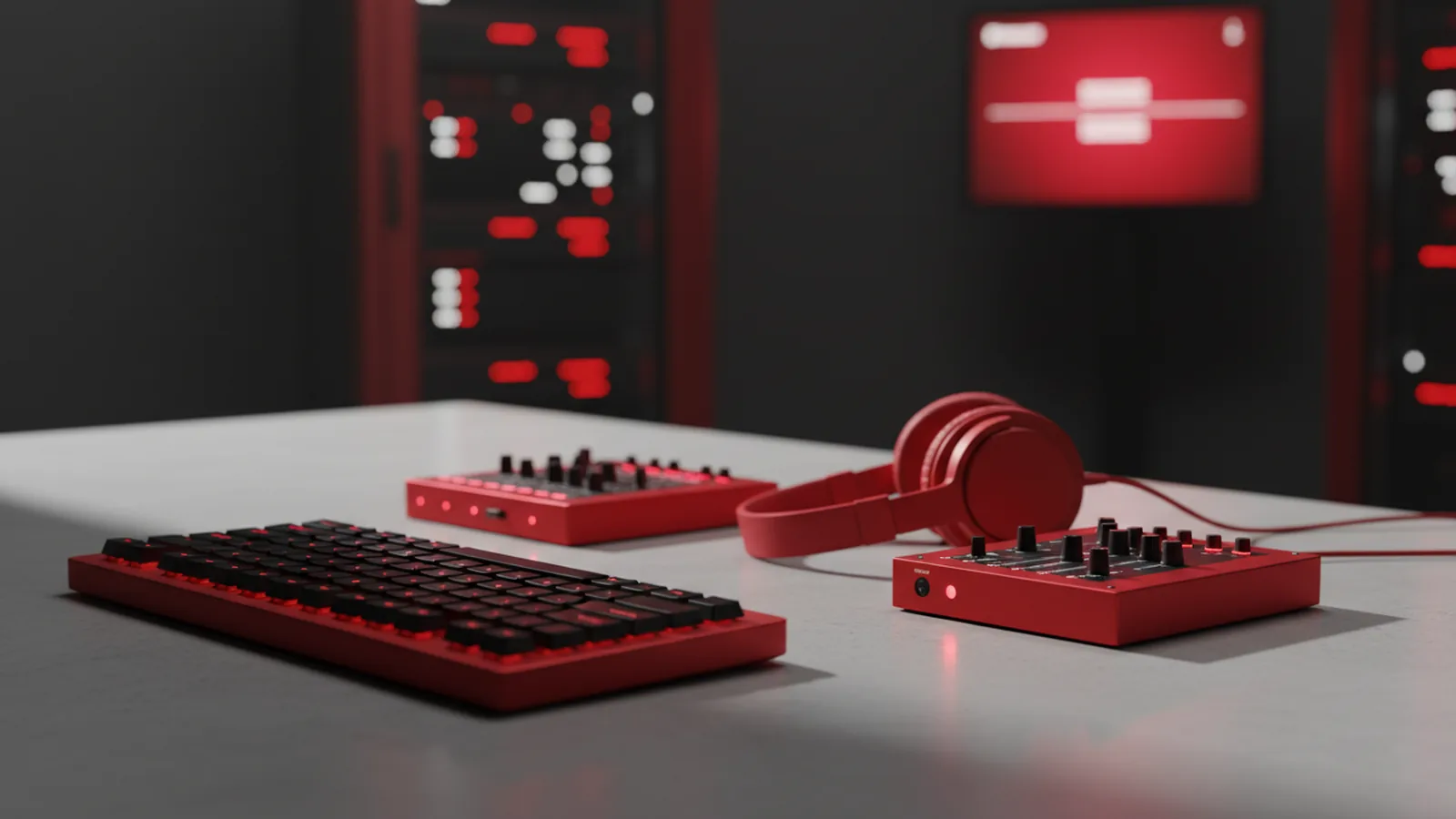
Next, sketch a sonic motif. You can do this with simple tone steps on a keyboard or a basic synth. Aim for a small number of notes and a clear contour, so the listener can catch it quickly.
When you begin making the actual audio, keep the mix tight. A sonic logo usually needs a clean lead element. It should survive at low volume and still sound distinct in a short burst.
- Pick a sound family (bell-like, airy, percussive, or smooth).
- Choose a motif with 3–5 note events or one signature rhythm.
- Design the tone so it has a clear start and stable body.
- Apply brand effects like reverb, but keep it subtle.
- Create short and long versions for different UI moments.
As you build, record quick iterations. Keep notes on what changed and what improved. This makes later edits faster, and it prevents random rewrites.
Sound design tips that make recognition easier
Your sonic logo should feel consistent even if the speaker changes. Use a limited pitch range and a stable envelope, such as a fast attack. That helps the cue “snap” in loud and quiet settings.
Consider how users will experience the sound. A notification might overlap with a voice message or background audio. Use space and contrast so the initial transient stands out.
Also plan for accessibility. Some users will hear on low volume, others on hearing aids. A clean midrange and controlled loudness can help your cue stay clear.
- Make the first 200 ms clear with a distinct transient.
- Keep it mono-friendly so it plays well everywhere.
- Use one main timbre and avoid quick instrument swaps.
- Limit long tails to reduce masking in apps.
If your brand is very textural, try a “simpler core” sonic logo. Then you can add a richer layer only for marketing reels. The core should remain recognizable under all conditions.
How to make sonic logo files and deliverables
Think beyond the melody. You need the final deliverables that developers can place into an app or a site. Prepare multiple formats and loudness-safe versions so the sound behaves the way you expect.
Most teams create at least two lengths. A short cue works for UI confirmations. A slightly longer version can work for onboarding or product videos.
Also decide how it should behave in silence. Some systems fade in, others play instantly. Export versions that keep the first hit intact, not softened by processing.
| Use case | Suggested length | Notes |
|---|---|---|
| App button press | 0.5–1.5 seconds | Fast attack, low tail |
| Success confirmation | 1–2 seconds | Distinct but not harsh |
| Brand video sting | 2–4 seconds | Can use more polish |
Document usage rules too. Tell your team where to play it, at what volume range, and whether to avoid it in certain moments. That keeps the sonic logo from becoming random.
Testing: how to make sure the sonic logo is actually memorable
Testing beats guessing. Run listening sessions with people who do not know the brand story. Ask them what they think it represents, even if they are wrong. The goal is to see whether your sound feels distinct.
Measure recognition with quick A/B tests. Play the sonic logo, then play a similar cue from another brand. If listeners cannot tell the difference, you need more identity in the motif.
Also test in context. Put the sound into the same device environment where it will be used. Simulate notification spam and app audio mixing, then check whether the cue stays clear.
If you can’t recognize it in a busy environment, it won’t survive real use.
After you collect feedback, revise in small steps. Change one element at a time, such as rhythm or tone brightness. This keeps progress measurable.
FAQ
- What is a sonic logo?
- A sonic logo is a short, repeatable sound that represents a brand. It is used at key moments like app start or confirmations so people learn the association.
- How to make a sonic logo?
- Start by choosing brand traits, then build a short motif with 3–5 note events or a clear rhythm. Design the tone so the first hit is strong, then export short and long versions.
- How to make sonic logo that works on phones?
- Use a clean midrange, avoid long tails, and keep the main timbre consistent. Test on phone speakers and earbuds at realistic volume levels.
- What is the sonic logo length that works best?
- For most brands, 1–3 seconds is a sweet spot. Short cues fit UI moments without becoming annoying or masking other alerts.
- Should a sonic logo be musical or can it be a sound effect?
- Both can work. A sonic logo needs identity and repeatability, whether it sounds like a musical motif or a carefully designed sound.
- How do I test if people recognize my sonic logo?
- Do quick A/B tests with listeners who do not know the brand. Also test in context, with device audio and notification overlaps to check clarity.