Why a Logo Matters: Brand Identity, Trust, and
A logo is a key brand asset. Learn why a logo is important, how it shapes identity, builds trust, and what design mistakes to avoid.
Why a logo is a big deal for business branding
A logo does more than look good. It is a short, visual way to tell people who you are and what to expect. If you are wondering, “why is a logo important?” the answer is simple. It helps customers spot your business fast and decide whether to stick around.
When people see a logo, they form a quick customer perception. That perception often comes before they read a single product detail or learn your full story. In business branding, first impressions can steer attention and reduce hesitation.
The importance of a logo also shows up in repeat business. A consistent logo supports brand loyalty by making your offerings feel familiar. Familiarity can turn a one-time buyer into a returning customer.
Logo significance goes beyond marketing. It affects how your brand identity looks across sites, packaging, invoices, ads, and sales decks. When those touchpoints share a clear symbol, your business becomes easier to recognize.
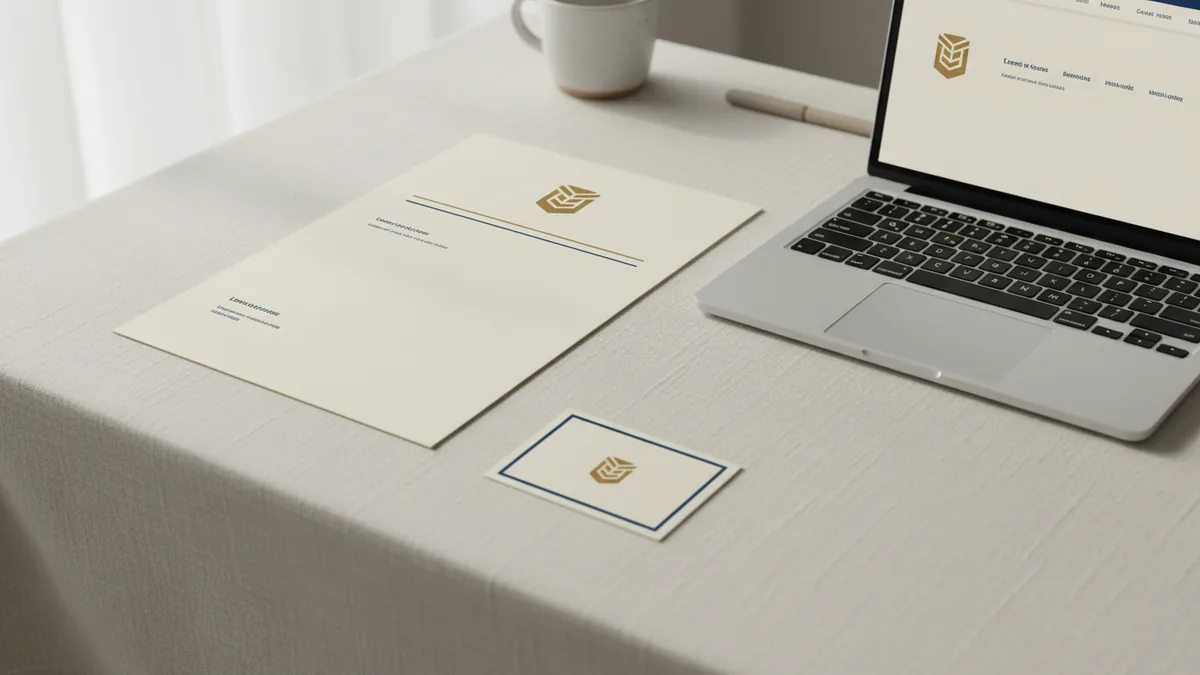
How a logo shapes brand identity
Brand identity is the set of signals people use to remember you. Your logo is one of the strongest signals because it works at a glance. Color, shape, type, and layout all carry meaning. Together, they help define your tone, like “friendly,” “premium,” or “serious.”
Good logo design helps you stay consistent. Consistency matters because customers compare new experiences to what they already know. If your logo changes wildly over time, visual recognition drops and your identity feels unstable.
Logos also connect with your business goals. A nonprofit may aim for warmth and clarity. A financial firm may aim for stability and precision. The same logo design importance applies in both cases, because people need a reliable cue to match expectations.
One more detail: a logo often becomes your shorthand in conversations. Customers may say, “I saw you on that sign,” or “the brand with the blue mark.” That is visual recognition working in the real world.
- Clear identity cues: users know what your brand stands for.
- Consistency: repeated exposure strengthens brand memory.
- Shared language: your symbol becomes a quick reference point.
Memorability and brand recognition
Memorability is where a logo earns its keep. When people can recall your brand after one or two exposures, your marketing becomes more efficient. That is why logo significance is tied to recognition, not just decoration.
A memorable logo usually has a simple idea. It uses a small number of visual elements that stay stable at different sizes. Think of how your logo looks on a website header, a small app icon, or a printed receipt.
Versatility also affects memorability. If a logo only works at one size or only on one background color, customers will see different versions. That can weaken the visual recognition you are trying to build.
Practical test: print your logo at small sizes and view it from a distance. If details vanish, customers may not connect the mark with your business. This is a common reason people ask, “why is my logo blurry?” It often comes from low-resolution files or designs built without size limits.
| Logo factor | What to look for |
|---|---|
| Simplicity | Fewer details that still read clearly |
| Legibility at small size | Lines and shapes stay crisp |
| Color control | Works in color, grayscale, and one-color |
| File quality | Vector sources for clean scaling |
How logos help you stand out from competitors
In crowded markets, you need competitive differentiation. A logo is one way to make your business feel distinct before customers compare offers. When people recognize you faster, they spend less time hunting for familiar brands.
To do this well, your logo must fit your category while staying unique. Similar colors and styles can be helpful in a niche. But copying the same visual pattern can make you blend in. That is why “why logo design is important” often includes competitive thinking, not just aesthetics.
Another real-world effect is search and browsing behavior. Customers scroll quickly and remember brands by visual anchors. If your mark is distinctive, it can earn attention on a busy homepage or marketplace listing.
Be careful with trends too. A “cool right now” look can age fast. When the logo becomes dated, customers may start to feel that the business is outdated. That can push prospects toward competitors with more current branding signals.
- Audit competitor marks: list common shapes and colors in your niche.
- Choose a unique twist: keep the category fit, change the signature detail.
- Test for confusion: ask people if your logo looks like any other brand.
- Plan for evolution: update with care, not with a total redesign each year.
Building trust and customer loyalty
Logos influence trust because they communicate professionalism. Customers often judge reliability from visual cues, even before interacting with a product. That is why a logo can shape customer perception in both positive and negative ways.
A well-made logo helps customers feel safer. It signals that the business has invested in quality. That feeling can support customer loyalty by reducing friction in repeat purchases. When people know what they are looking for, they buy with less uncertainty.
Also, logos help people verify authenticity. In services with reservations, subscriptions, or online orders, a recognizable logo can reassure customers they are in the right place. If your branding is inconsistent, it can create doubt.
One common concern is “why so serious logo?” Some brands want a playful tone, while others choose a more formal look. The right choice depends on audience expectations. A logo that feels mismatched with customer needs can harm first impressions.
- Trust cue: a clean logo looks intentional and well-managed.
- Reduced confusion: consistent marks make repeat buying easier.
- Brand loyalty support: familiarity builds comfort over time.
Effective logo characteristics that work in the real world
A strong logo usually has a short list of logo characteristics. Simplicity is the starting point. If the design relies on tiny details, it will fail on labels, favicons, and printed ads.
Memorability comes next. A logo should form a clear mental picture. When people can describe it with a simple phrase, you are more likely to win recognition. This supports visual recognition across channels.
Versatility matters because logos live everywhere. Your mark should work on a white background, a dark background, and in one-color form. It should also work next to photos and within dense layouts.
Appropriateness is often overlooked. The design needs to match your brand identity. A healthcare brand may choose a calm palette. A tech brand may choose sharp geometry. This match reduces mismatch and helps customer perception.
| Successful logo trait | Why it matters |
|---|---|
| Simplicity | Reads fast and holds up at small sizes |
| Memorability | Improves recall and supports recognition |
| Versatility | Works across platforms and print methods |
| Appropriateness | Fits audience expectations and brand identity |
Common logo mistakes that hurt recognition
Logo design mistakes are usually the reason people lose momentum. One of the most common is complexity. Overly complex logos can hinder recognition, especially in small prints or quick scans. Fine lines and detailed illustrations often blur when scaled down.
Another mistake is ignoring print quality. If your logo was created only as a raster image, it may look sharp on a screen and then fail on a brochure or sign. That can directly answer “why might a logo be blurry?” Many times the source file is not vector, or the design was exported at too low a resolution.
Some teams also overuse effects. Heavy gradients, thin outlines, or subtle textures can disappear in one-color printing. If your logo cannot survive grayscale, it is a risk for consistent business branding.
Finally, some people ask “why not logo” when they lack a clear plan. Skipping a logo may seem simple, but it removes a key identity anchor. Without a consistent symbol, your brand identity becomes harder to track and harder to remember.
- Too many details: reduces readability at small size.
- Wrong file type: leads to pixelation and blur.
- Unclear contrast: fails on different backgrounds.
- No usage rules: causes inconsistent versions.
One special case is using a symbol with strong cultural meaning. Questions like “why is the autism logo a puzzle piece” come up because symbols can carry history and emotion. If you use a symbol tied to a community, you need thoughtful choices and careful guidance to avoid harm.
Quick checklist for getting logo design right
Use this small set of tests before you commit. Can you recognize it from a distance? Does it still look correct at thumbnail size? Can it print cleanly in one color? If you can answer yes, you are building a mark that supports logo significance.
Also, keep your files organized. Maintain vector sources and export rules for web and print. That reduces future problems and supports consistent business branding across teams.
When done well, your logo becomes a stable bridge between your offer and customer trust. It creates first impressions, supports brand recognition, and helps your business stand apart.
FAQ
- Why is a logo important for new customer acquisition?
- A logo helps people spot your brand quickly. That can improve first impressions and make customers more willing to explore your offer.
- How does logo design importance connect to brand identity?
- Your logo becomes a core identity signal. It should stay consistent across touchpoints so customers can recognize you reliably.
- Why is my logo blurry?
- Blurriness often comes from using low-resolution image files or designs that do not scale well. Using vector sources and correct export settings usually fixes it.
- What makes a logo memorable and good for brand recognition?
- Simplicity and clear shapes help people recall your brand. It also needs to stay legible at small sizes across platforms.
- How does a logo help with competitive differentiation?
- A distinct visual mark gives customers an easy anchor while they compare options. That can reduce confusion and keep your business top of mind.
- Why might people ask “why so serious logo” or “why not logo”?
- Some brands choose a tone through design to match their audience expectations. Others question whether a logo is needed when they lack a clear branding plan or consistent usage.