What Is an AI Data Center? Uses, Parts and Power
Learn what an AI data center is, what sits inside one, how it differs from traditional sites, its uses, power needs, size, and future growth.
What Is an AI Data Center?
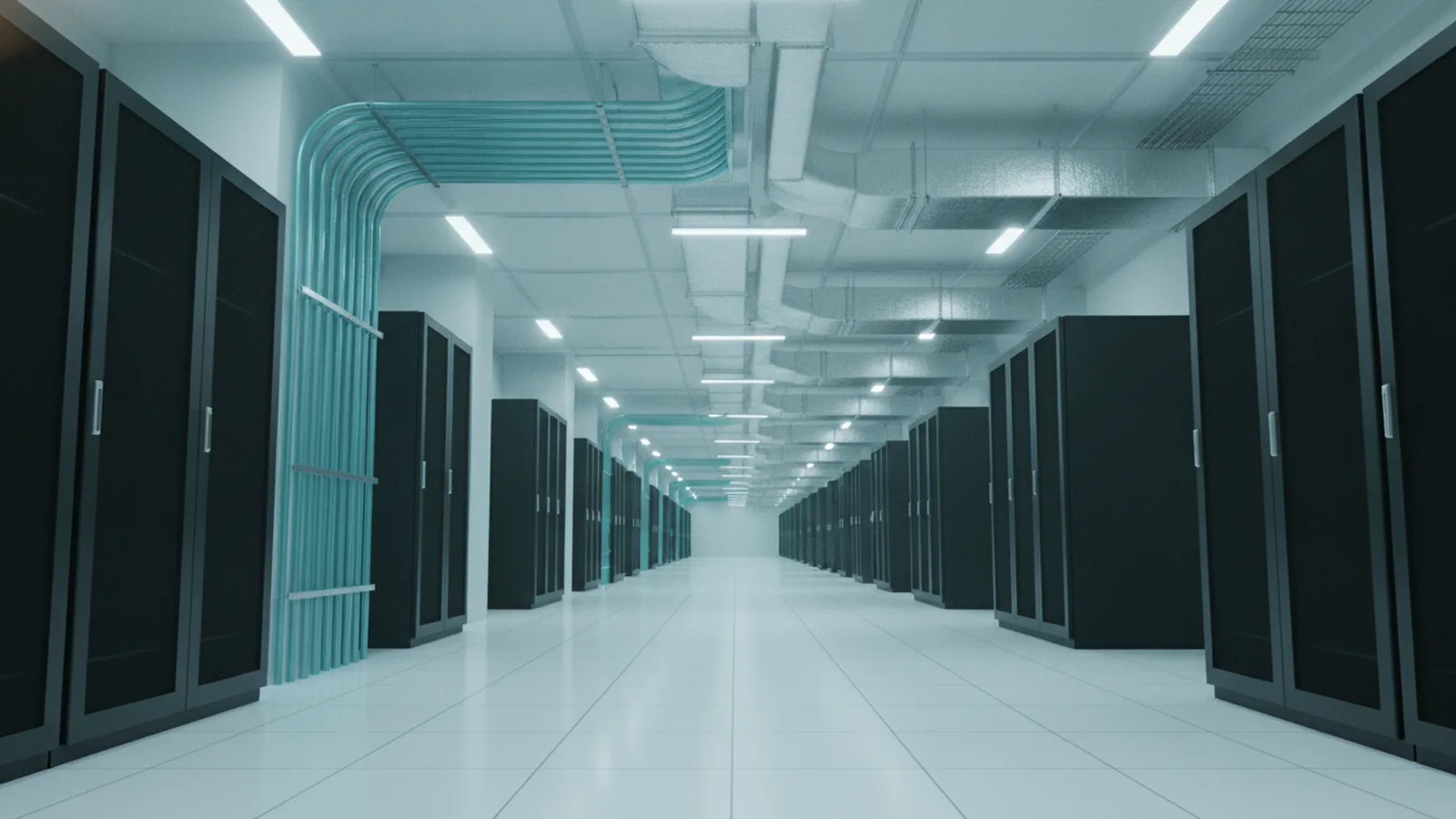
What is an AI data center? It is a site built to run artificial intelligence work at high speed. It uses special chips, fast links, large storage, and strong cooling. These tools support model training and live AI services.
If you ask, “AI data center, what is it?” think of a large machine room for AI. It joins many servers into one working system. The system can process huge data sets and many math steps at once.
What is the point of an AI data center? It turns power, hardware, and data into useful model results. A site may serve one company, many cloud users, or a public AI tool.
The phrase “what is a AI data center” uses the wrong article in standard English. The meaning remains clear. These sites may form part of a hyperscale campus or stand as dedicated AI clusters.
What Is Inside an AI Data Center?
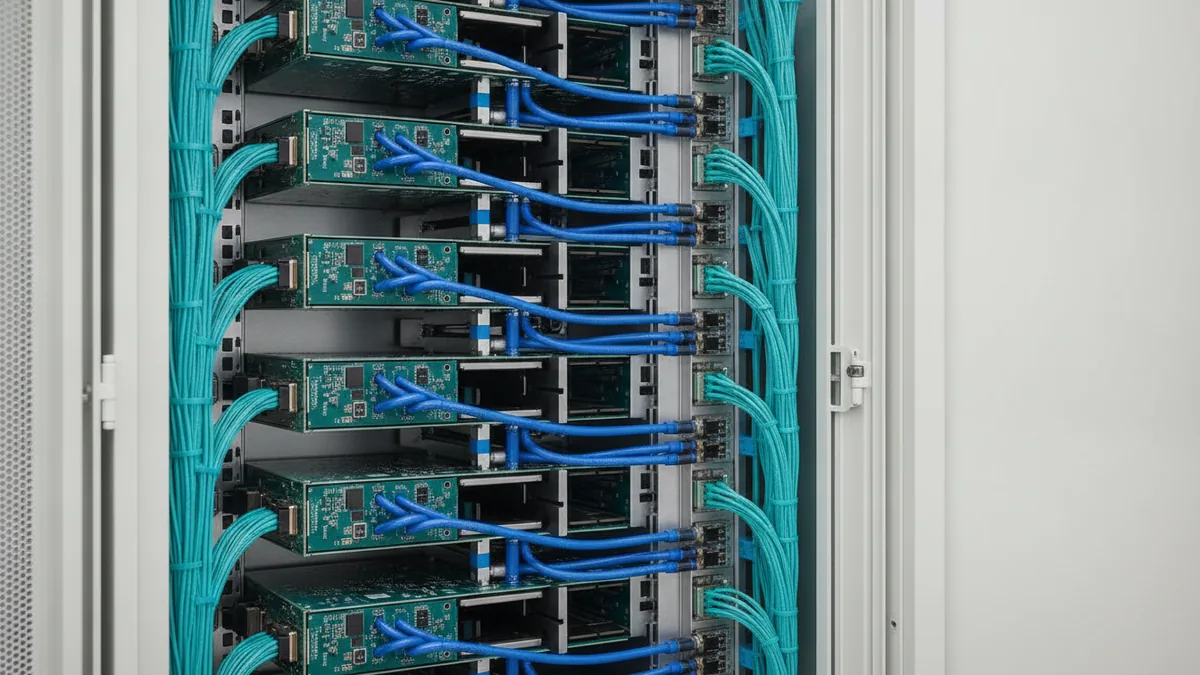
What is inside an AI data center? The core is a compute cluster. A cluster links many servers so they can work as one unit. Most large clusters use GPUs, or graphics processing units, for fast parallel math.
AI data center components must work as a whole. A fast chip cannot help much if storage or network links slow it down. The best sites move data quickly between chips, memory, storage, and users.
- GPUs: These chips handle large math loads for many AI models.
- CPUs: These chips manage tasks that do not suit GPU work.
- Memory: Fast memory keeps active model data near each chip.
- Storage: Solid-state drives hold data, model files, and logs.
- Network links: These links move data between servers and racks.
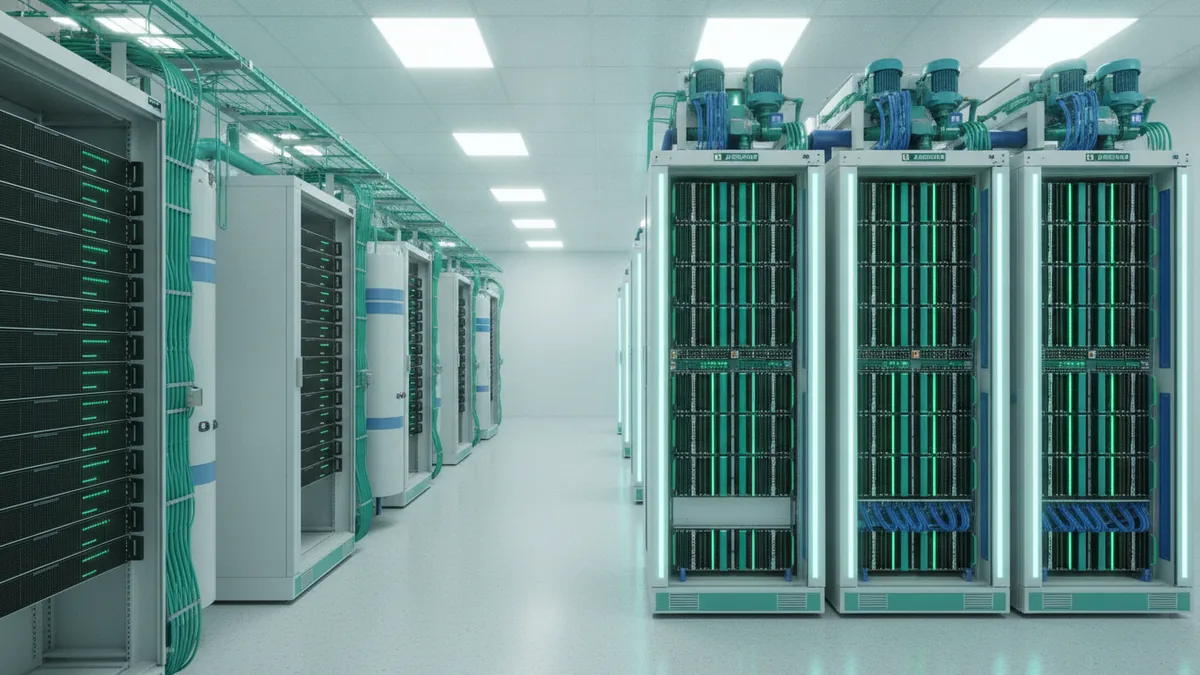
- Cooling systems: Air or liquid systems remove heat from dense hardware.
- Power gear: Switches, backup units, and cables keep power steady.
Training teams may keep raw data, clean data, model versions, and test results. Fast storage cuts the time needed to reload those files. This matters when a training run lasts days or weeks.
Network efficiency matters just as much. Training jobs split work across many chips. The chips must share results often. Weak links can leave costly hardware idle.
AI Data Center vs. Traditional Data Center
The main difference is the shape of the work. A traditional data center runs many small tasks for many users. An AI data center runs fewer, larger tasks across many chips.
AI clusters also place more strain on power and cooling systems. A normal server rack may use modest power. A dense AI rack can use many times more power in the same floor space.
AI systems need fast links between chips. Business apps may work well with slower links. Large model training can suffer when data moves too slowly.
| Area | Traditional data center | AI data center |
|---|---|---|
| Main work | Web apps, files, and databases | Model training and AI services |
| Compute pattern | Many mixed tasks | Large linked math tasks |
| Chip mix | Mostly CPUs | Many GPUs and other accelerators |
| Cooling need | Often air cooling | Air, liquid, or mixed cooling |
| Network need | General server traffic | Fast chip-to-chip traffic |
Older sites can still run small models and light AI apps. They may struggle with large training jobs or heavy user demand. The key issue is not the building alone. It is the full balance of chips, links, power, and cooling.
What Is an AI Data Center Used For?
What is an AI data center used for? It supports the full life of an AI model. Teams can build, test, tune, and serve models from the same site.
Model training is one major use. The system reads large data sets and changes model settings over many rounds. This work can take days or weeks on a big cluster.
Model serving means giving results to users or other software. A search tool, voice assistant, or fraud check may send millions of requests each day. Fast response times matter here.
- Training: Build new models from large data sets.
- Fine-tuning: Adapt a model for a narrow task or field.
- Serving: Return answers, scores, or images to users.
- Automation: Sort records, check products, or route support work.
- Research: Test new methods in science, medicine, and engineering.
Cloud computing lets firms rent this capacity instead of building a site. A cloud user can request GPUs for a set time. This cuts the need for large upfront costs.
On-site clusters can suit firms with strict data needs. They can also help when demand stays high. The right choice depends on cost, control, speed, and data rules.
How Large Are AI Data Centers?
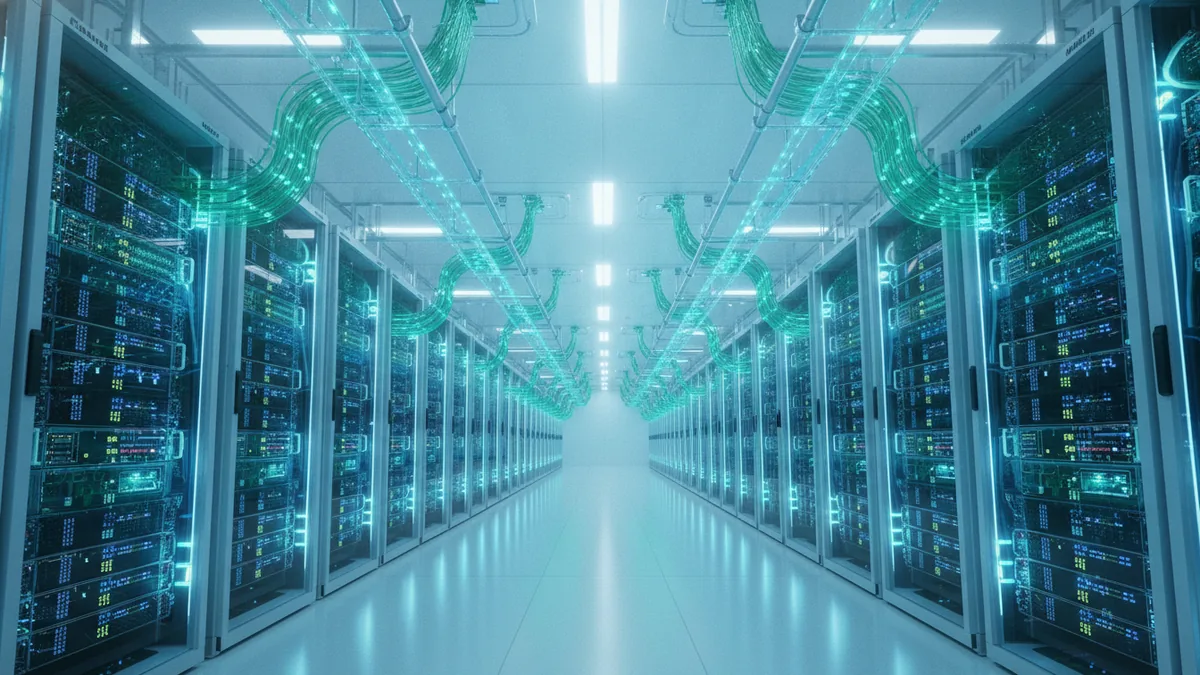
How big is the average AI data center? There is no useful single average. Small sites may hold a few racks. Large campuses may cover many buildings and draw hundreds of megawatts.
Rack size gives a clearer view. A normal server rack may draw 5 to 15 kilowatts. A dense AI rack may draw 30 to 100 kilowatts or more. These figures vary by chip type and system design.
What is the largest AI data center? The answer depends on the measure. People may compare chip count, site power, floor space, or compute capacity. The largest AI data centers also change as new halls open.
By stated compute capacity, Colossus 2 is often named as the largest AI data center in the world. It is linked to xAI and shows the scale of modern AI buildouts. Claims can change as firms add more chips and power.
Where is the largest AI data center in the world? Public reports place the Colossus site in Memphis, Tennessee. The wider site has grown in stages. That makes exact size claims hard to compare.
Where is the AI data center? There is no one global site. AI centers operate across North America, Europe, and Asia. Their locations depend on power, land, fiber links, water, and local rules.
Power and Cooling Needs
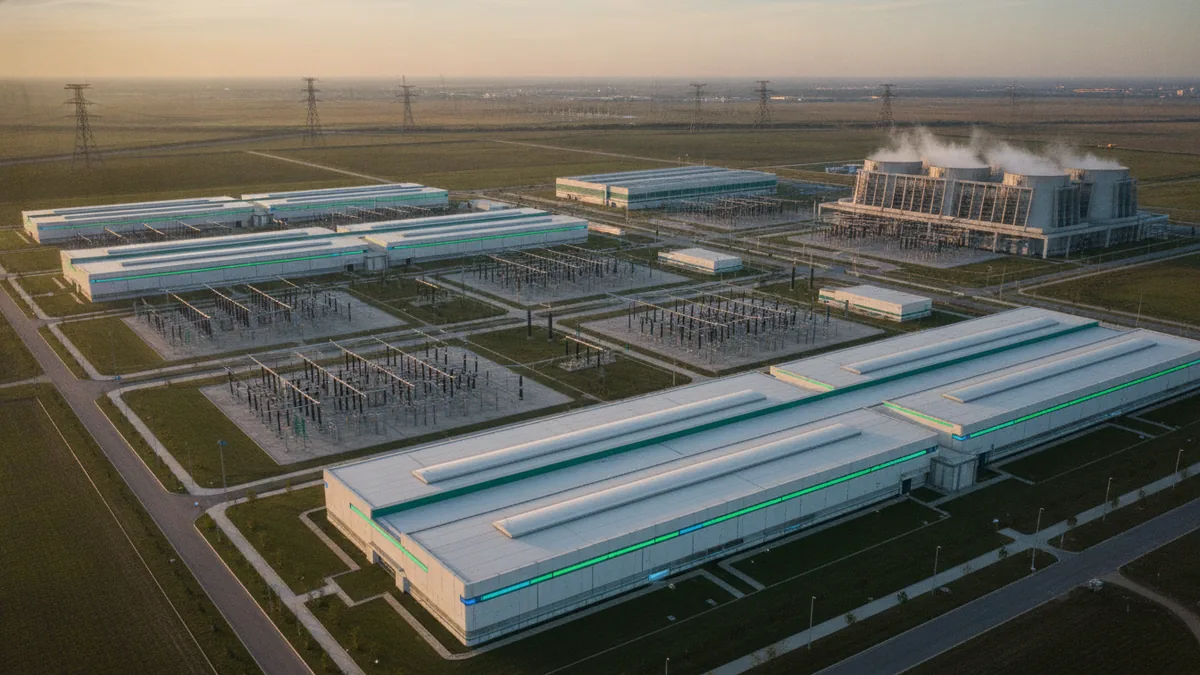
How much power is needed for an AI data center? A small cluster may need a few megawatts. A large campus may need hundreds of megawatts. The needed amount depends on chip count, workload, storage, and backup systems.
Power use does not stop at the chips. Cooling, network gear, lighting, pumps, and backup systems also draw power. Site designers measure both computer load and total site load.
Dense chips create intense heat. Air cooling may work for light racks. Liquid cooling often works better for big AI clusters because liquid carries heat away more well.
Good power design also protects uptime. Sites use backup batteries, generators, spare power paths, and careful load checks. A short power fault can stop a long training run.
- Check the local grid before choosing land.
- Plan cooling for the highest rack load.
- Use spare power paths for key systems.
- Track power use at rack and site levels.
- Reuse heat where local systems allow it.
How to Build an AI Data Center
How to build an AI data center starts with a clear workload plan. Decide if the site will train models, serve users, or do both. Then set goals for speed, uptime, cost, and growth.
- Choose the workload: Set the model size, chip type, job length, and user demand.
- Check the site: Confirm power, fiber, land, cooling options, and local rules.
- Design the cluster: Plan GPUs, memory, storage, network links, and rack layout.
- Build power and cooling: Add backup paths and cooling that fit the peak load.
- Test the system: Run sample jobs and check speed, heat, faults, and costs.
- Scale with care: Add racks only when power, cooling, and network links can support them.
How to build an AI data center well also means planning for change. Chip designs and model sizes shift fast. Flexible racks and spare network capacity can extend the site's useful life.
Some firms should not build one at all. Cloud GPU clusters may cost less for uneven demand. A private site makes more sense when control, steady use, or data limits matter most.
What Comes Next for AI Data Centers?
Demand for AI services is pushing more firms to build or rent AI capacity. New sites will need better chips, faster links, and smarter power controls. Builders will also seek sites with clean power and strong grid access.
Cooling will remain a key design issue. Liquid systems can support denser racks, but they add pumps, pipes, and upkeep. Teams must weigh heat removal against cost and repair needs.
The next phase may spread AI work across large campuses and smaller regional sites. A nearby site can cut response delay for users. A central site can offer more compute for long training jobs.
Where is the nearest AI data center to me? That answer depends on the provider and your location. Search the provider's region list or cloud console for a current result. There is no single nearest site for every person.
The same applies to “where is the closest AI data center to me?” and “where is AI data center” searches. A public site may not offer tours or open access. Most users reach these systems through a cloud service or an AI app.
Step-by-step
- 01 Choose the AI workload
Set goals for training, serving, speed, uptime, and growth. Estimate chip count and job demand.
- 02 Check the site
Confirm grid power, fiber links, land, cooling options, and local rules before building.
- 03 Design the cluster
Plan GPUs, memory, storage, network links, rack layout, and room for future growth.
- 04 Build power and cooling
Add backup paths and cooling that can handle the highest expected rack load.
- 05 Test and scale
Run sample jobs, check heat and speed, then add racks when the site can support them.
Frequently asked questions
- What is an AI data center?
- An AI data center is a facility built for AI workloads. It uses dense compute chips, fast networks, large storage, and strong cooling.
- What is an AI data center used for?
- AI data centers train models, serve AI apps, fine-tune models, and automate tasks. They also support research in fields such as science and medicine.
- When was the first AI data center built?
- There is no single date for the first AI data center. Early AI jobs ran in research and high-performance computing centers. Purpose-built AI sites became common much later.
- What is inside an AI data center?
- An AI data center contains GPUs, CPUs, memory, storage, fast network links, power gear, and cooling systems. Each part helps keep the cluster running fast.
- What is the largest AI data center in the world?
- Colossus 2 is often named as the largest by stated compute capacity. It is linked to xAI and forms part of a growing site in Memphis, Tennessee.
- Where is the nearest AI data center to me?
- There is no single nearest AI data center for everyone. Check your cloud provider's region list or console to find the closest available site.
Related reading
What Company Owns OpenAI? Ownership Explained
Learn who owns OpenAI, how Microsoft and the OpenAI Foundation fit in, and why share ownership differs from control of the company.

How AI Learns: Data, Training, and Feedback
Learn how AI trains on data, finds patterns, and improves through feedback. Explore supervised, unsupervised, and reinforcement learning with examples.

How Generative AI Has Affected Security
See how generative AI has affected security, from prompt injection and data leaks to deepfake fraud, and learn ways to reduce risk.