AI Data Centers: How They Work and What They Look Like
See what AI data centers look like, how they run AI workloads, and why power, cooling, networks, and clean energy shape their design.
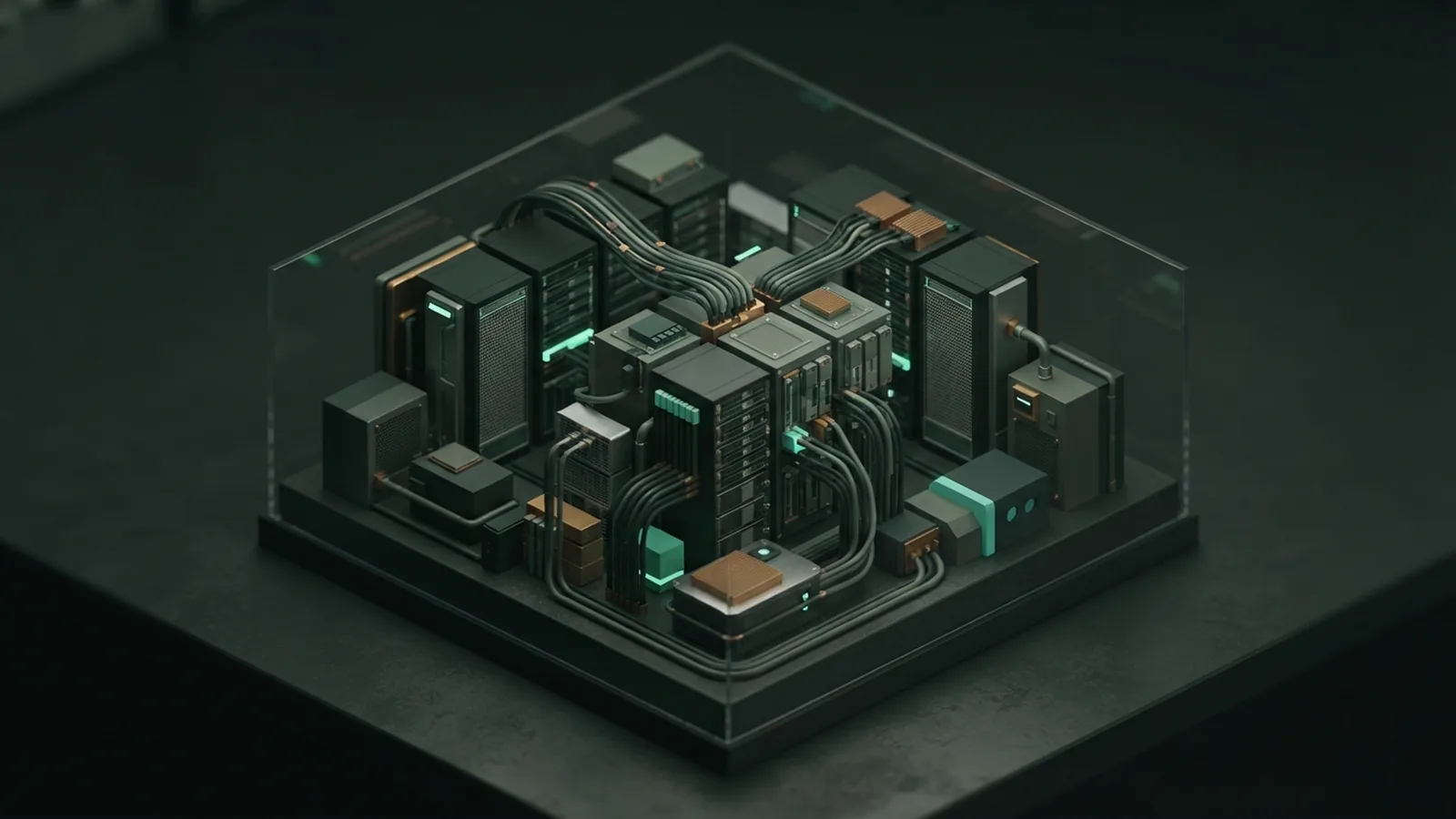
What AI data centers do and how they work
An AI data center is built to train and run artificial intelligence systems. It holds powerful computers, storage, network gear, and systems for power and cooling. These parts work together to process large amounts of data.
What does an AI data center do? It runs two main kinds of work. During training, computers learn patterns from examples. During inference, a trained model uses those patterns to answer a request or make a prediction.
How does an AI data center work? Many chips may work on one task at the same time. Fast links pass data between them, while storage feeds each job. Staff track power, heat, faults, and workload demand.
The data does not usually begin inside the building. Where does AI get its data? Sources can include licensed collections, public records, company files, and data made for testing. Teams must check data rights, quality, and privacy before use.
- Training uses examples to shape a model.
- Inference uses a trained model to make an output.
- Storage and networks move data to the right machines.
The building is a working system, not just a room full of servers.
What an AI data center looks like inside
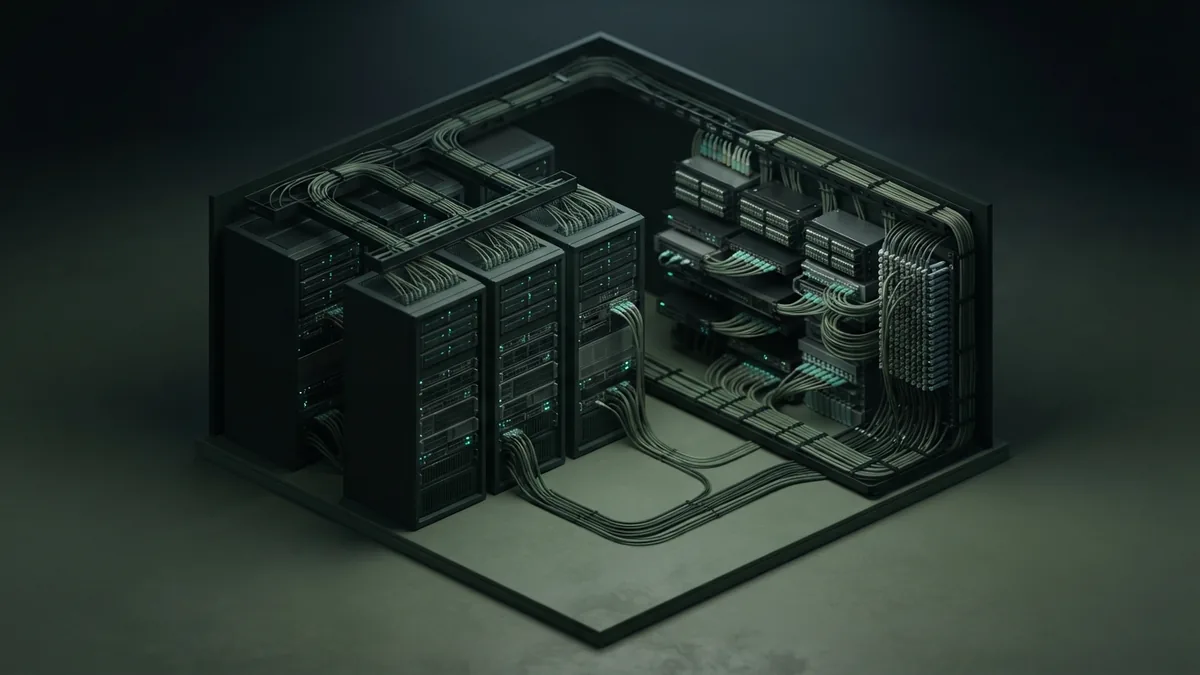
What does an AI data center look like? Picture rows of tall metal racks, packed with servers and linked by cables. Some racks hold GPUs, or graphics chips, that can run many calculations at once. Others may use TPUs, chips made for certain AI tasks.
Power units feed the racks, and cooling gear carries heat away. Network switches link the machines, storage, and other parts of the site. Backup power and secure work areas may sit nearby.
High-density computing puts more power into less floor space. That can make the site smaller, but it also creates more heat in each rack. Planners must leave room for cables, airflow, pipes, and service work.
Inside, the main view is orderly and spare. Fans and pumps keep working, even when the room seems still.

How AI sites differ from traditional data centers
Traditional data centers support many types of work. They may host websites, business tools, and file storage. AI data centers focus on heavy computing jobs that can span many machines.
This changes the needs of both the hardware and the network. AI racks often draw more power than racks used for common web tasks. Links need high bandwidth, or the ability to move lots of data each second. Low delay matters too. Slow links can leave costly chips idle.
AI workload management helps staff share machines among jobs. They can group similar tasks, set limits, and watch power use. A training run may last for hours or days. A service that answers live requests must respond fast.
Not every site uses the same design. The right mix depends on the models, users, and jobs it must support.
Power, data, and networks for AI workloads
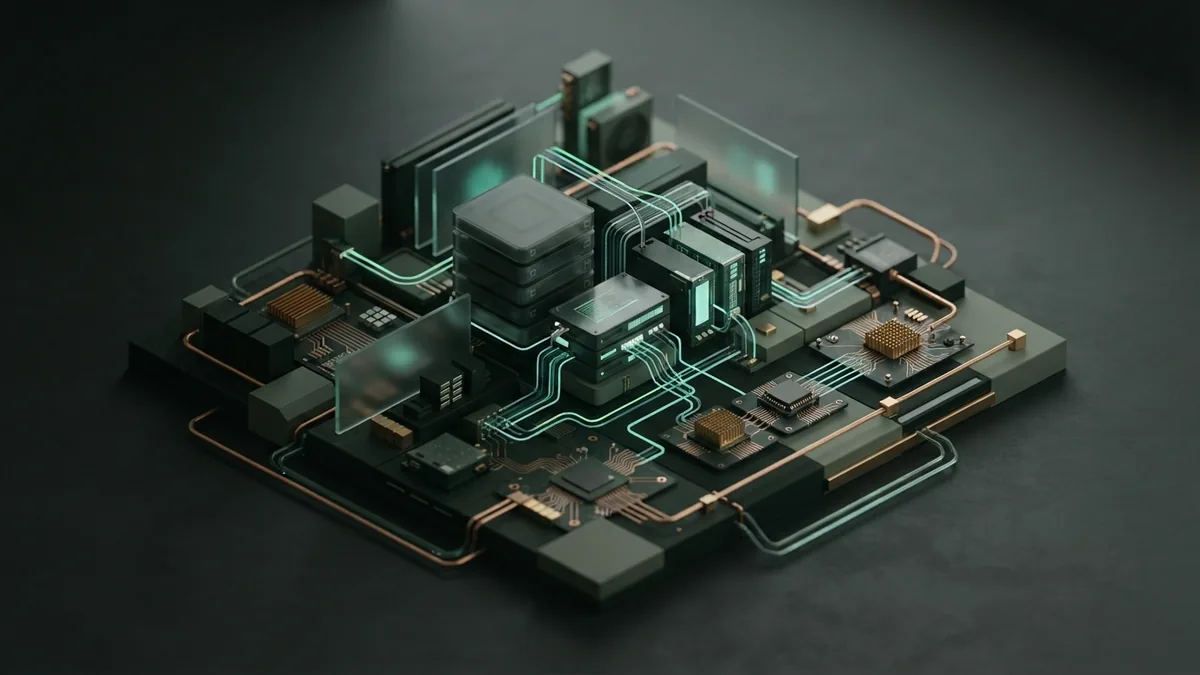
Power is a key need because many chips may run at once. Planners size electrical gear for the expected load and future growth. Backup systems can keep key services on during an outage, but they add cost and upkeep.
Network gear links chips, storage, and data sources. Fast links help machines share training examples and model parts. A weak network can slow work, even when the chips have room to spare.
What is AI-ready data? It is data that is fit for a clear task, well formed, and safe to use. Teams check for gaps, errors, and rights to use each set. Data sovereignty also matters. It means rules may limit where data can be stored or used.
Corruption can harm the data before it reaches a model. How does data corruption defeat an AI algorithm? Wrong labels or damaged files can teach false patterns. Checks, backups, and sample reviews help catch these faults early.
Encryption helps protect data while it moves or sits in storage. How does encryption help keep AI data secure? It turns data into a form that needs a key to read. Access rules still matter. Encryption cannot make a poor data set sound or stop an approved user from misusing it.
- Match storage speed and size to each job.
- Check data quality before training begins.
- Set access rules and keep useful backups.
- Plan network paths to avoid slow points.
Cooling systems that protect AI hardware
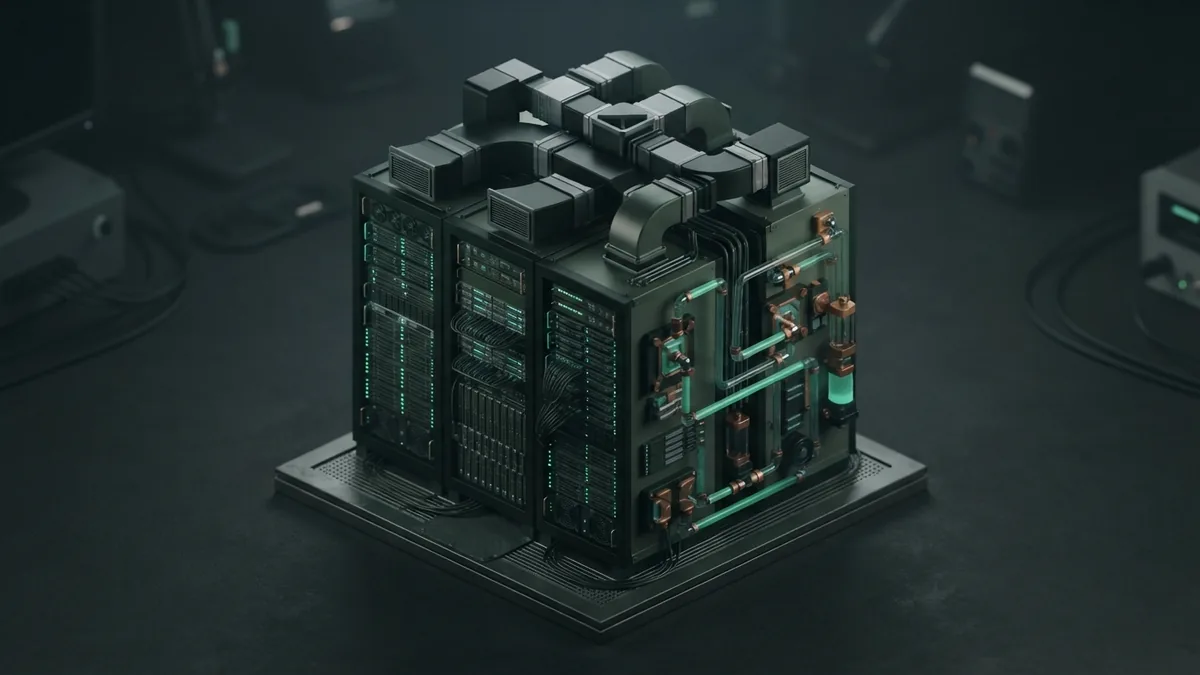
Dense computing makes heat. Too much heat can slow a chip or shut it down. Cooling must carry heat away and keep each machine within its safe range.
Air cooling uses fans and conditioned air. It can work well when rack power is moderate. Liquid cooling moves heat through pipes near hot parts. It can handle more heat in a smaller space.
Immersion cooling places hardware in a special fluid that draws off heat. This method can suit very dense systems, but it needs gear built for that use. The best choice depends on power, climate, water, and upkeep.
Cooling is part of the core design. It is not an add-on.
Energy use and sustainability
AI data centers can use large amounts of power. Their impact depends on how much energy they need and where that energy comes from. Renewable sources, such as wind and solar, can lower the share of power tied to fossil fuels.
Teams can also cut waste through efficient chips, better cooling, and careful job planning. Heat reuse is another option. A site may send waste heat to nearby buildings or other uses when the local setup allows it.
Water use also deserves attention, especially in places with tight supplies. Cooling design can affect how much water a site needs. Planners should weigh power, water, cost, and local needs together.
Cost, staffing, and future changes
How much does an AI data center cost? There is no single price. The total depends on site size, power supply, chips, cooling, land, and network gear. A large build can cost far more than a small room of servers.
How much does an AI data center cost to build? The answer depends on its planned power load and the price of local work and equipment. A firm estimate needs a site plan and a clear view of the expected computing load.
How many people does an AI data center employ? Staffing varies with size and the work done on site. Teams may include engineers, electricians, cooling staff, security workers, and data specialists. What is an AI data specialist? This worker helps prepare, check, or manage data used by AI systems.
Future sites may use denser chips, new cooling methods, and more renewable power. Better tools may also help teams place jobs where power and cooling are available. The goal is to get more useful work from each unit of energy.
Frequently asked questions
- What does an AI data center do?
- It trains AI models and runs them when people or systems make requests. It also stores and moves the data those jobs need.
- What does an AI data center look like inside?
- It usually has rows of server racks, power equipment, cooling systems, and network gear. Dense AI racks may use liquid cooling to remove heat.
- Where does AI get its data?
- AI data can come from licensed collections, public sources, company records, or test data. Teams should check its quality, rights, and privacy before use.
- How does encryption keep AI data secure?
- Encryption makes stored or moving data hard to read without a key. Access rules and sound data handling are still needed.
- How much does an AI data center cost to build?
- Cost depends on size, power needs, chips, cooling, land, and local build costs. A firm estimate needs a site plan and a clear load target.
- How many people does an AI data center employ?
- Staff numbers depend on the site's size and level of automation. Jobs can include engineering, electrical work, cooling, security, and data care.
Related reading

Best AI Writing Tools: Compare Features and Free Plans
Compare AI writing tools for drafting, editing, SEO, and free use. Learn what to test, how to judge reviews, and how to get better results.

ChatGPT Alternatives: 6 AI Tools Compared
Compare six ChatGPT alternatives for writing, research, and creative work. See how their features, free plans, paid tiers, and response quality differ.

What Is Self-Learning AI? How It Works
Learn what self-learning AI is, how it learns from data and feedback, where it is used, and what to consider when building one.