Where Are AI Data Centers Located? Global Hotspots
Learn where AI data centers are located worldwide, with US hotspots, real site examples, and how location affects latency, access, and energy use.
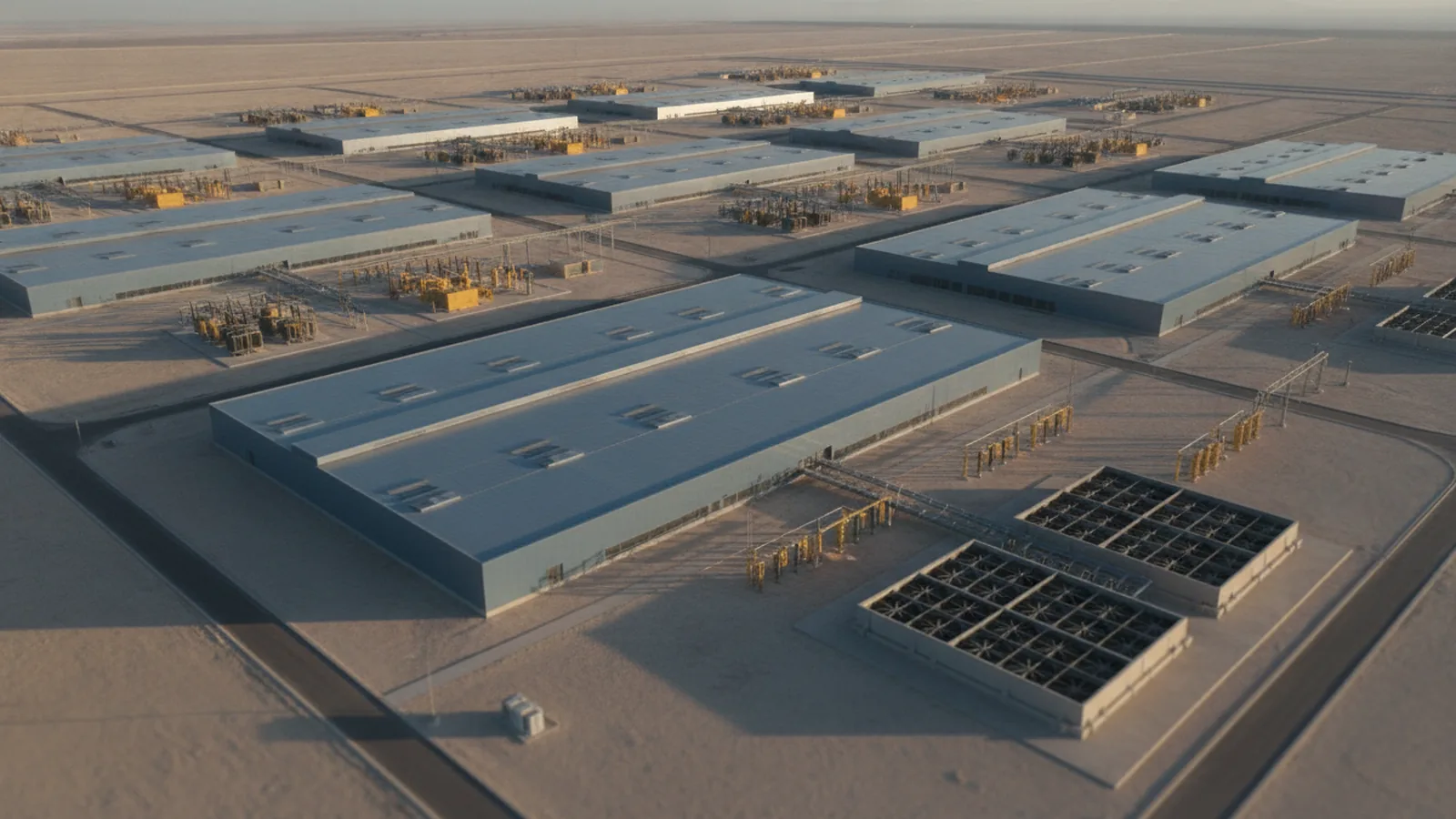
AI data centers: a quick answer to where they are
Where are ai data centers located? Most large AI compute sits in a few global hubs. You’ll usually find them in North America, Europe, and key Asian cities. These places offer strong power grids and fast fiber links.
An AI data center is a site that runs AI work. It may train models or run AI features for apps. Most sites look like other hyperscale centers. They still focus on heavy GPU compute and fast networking.
Location changes speed. That speed is called latency. Shorter routes can cut wait time for users. This is why cloud providers spread capacity near big user bases.
So where are the ai data centers located in reality? Look for regional campuses and edge clusters. Campuses handle big training jobs. Edge clusters serve live user requests closer to the user.
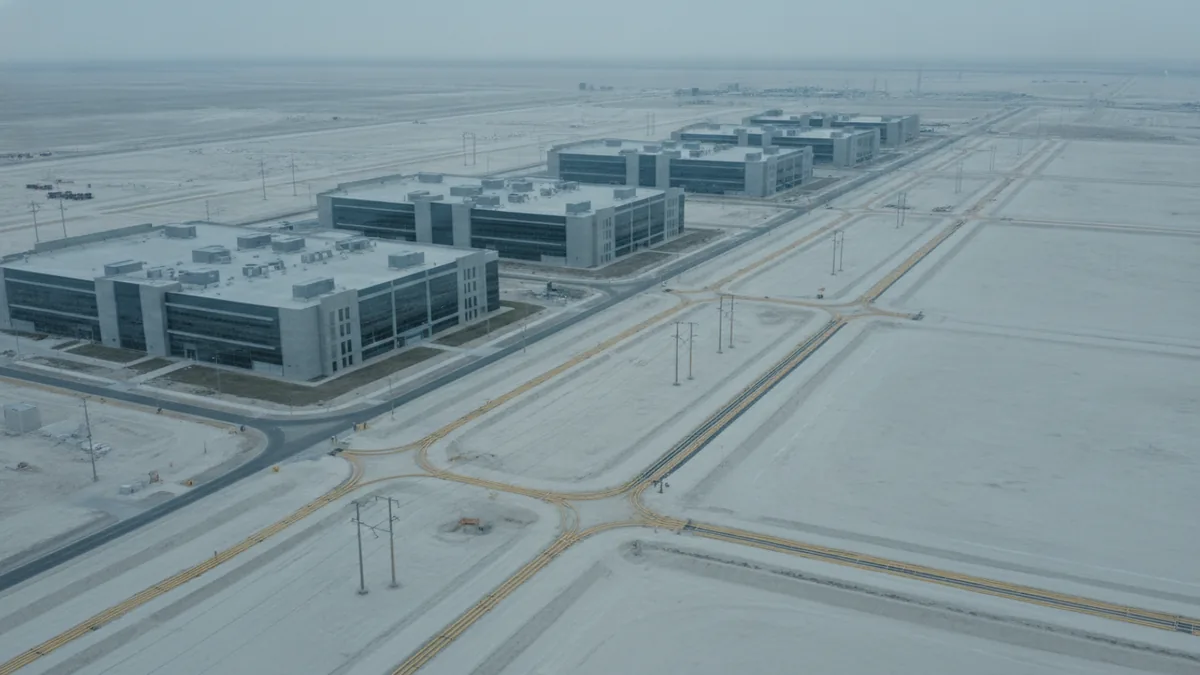
How AI data centers are distributed around the world
Global spread follows demand, power, and links to the internet. Cloud work needs fast data moves between places. It also needs steady power for long runs. A site that lacks power can’t scale AI loads.
Where are most ai data centers located? The big buildouts cluster in North America and Europe. Asia is growing fast as local cloud use rises. Operators often add new sites only when power and fiber are ready.
You can think in two layers. First, large sites train and serve big AI jobs. Second, smaller sites sit nearer to users for quicker replies. This mix supports both cost and speed.
Data center infrastructure also shapes choices. Sites with good power delivery and cooling can run at higher loads. Those limits affect service uptime during peak hours.
- North America: many hyperscale sites and dense cloud markets
- Europe: strong cloud demand and strict power planning
- Asia: rapid growth tied to local user demand

Where the main AI data center regions are in the US
Where are ai data centers located in the us? Major hubs include Northern Virginia and Texas. You also see growth in other metro regions with strong utilities. West Coast regions add capacity for nearby user demand.
Not every AI job runs in the same building. Large GPU training can use big power blocks. Live inference often needs nearby capacity for low latency. That drives both big and small sites in each region.
Northern Virginia is a long-time cloud and carrier hub. It has deep fiber options and many tenant users. Texas has also grown with large build zones and power upgrades. These patterns help providers scale in steps.
When people ask where are the largest ai data centers located, they usually mean campuses. Campuses gather power, cooling, and network gear in one area. This reduces setup time for each new rack.
| US region | Why it attracts AI compute | Common use |
|---|---|---|
| North Virginia | Dense fiber and deep cloud customer base | Cloud services and fast user access |
| Texas | Space for buildouts and steady utility growth | Large training and bulk inference |
| US West | Nearby users and cloud region demand | Inference and regional services |
| Midwest and Southeast | More land and utility upgrades | Hybrid needs and new cloud runs |

What criteria decide an AI data center’s location
Operators pick a site by matching compute needs to local limits. The top items are power, links, land, and weather. These decide both cost and how fast a site can grow. They also shape how stable the site stays under heavy load.
Power is often the hardest part. AI training can keep GPUs busy for days. That needs stable grid input and on-site backup plans. It also needs time for utility work and grid tie-in.
Next comes network readiness. A data center must move data fast. It needs many fiber paths and room for more links. That supports cloud computing jobs and data sync.
Climate affects cooling design. Cooling uses a lot of energy. Hot weather can raise cooling demand. Cold weather can help some setups, but risks remain.
Operators also weigh risk. They look at storms, flooding, and local grid history. They plan for fast failover to protect service uptime.
- Power timing: utility lead time for upgrades and tie-in
- Network options: fiber routes and many carrier choices
- Land and rules: zoning that allows fast new builds
- Cooling fit: designs that fit local heat and water limits
- Operating risk: backup plans for outages and disasters
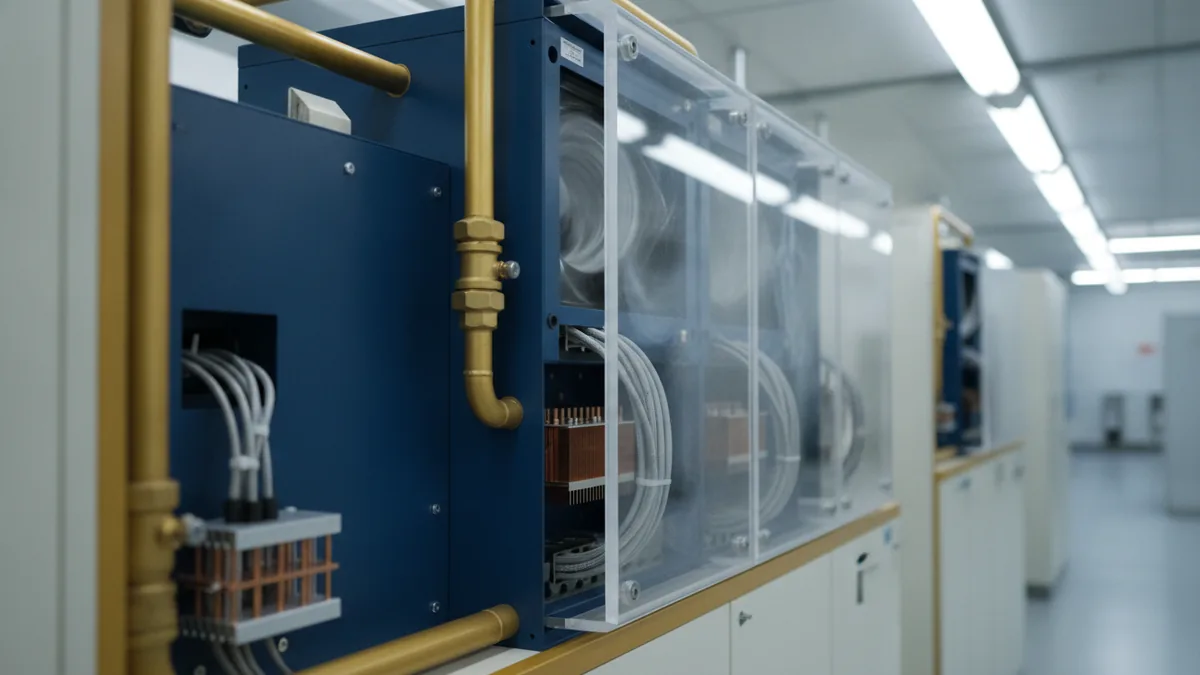
Major companies and their AI data center footprints
Where are the major ai data centers located? They mostly belong to big cloud groups. Google, Microsoft, and Amazon run large AI platforms. Those platforms use many data centers across regions.
These firms typically build in tiers. Big campuses handle training and peak work. Regional sites support inference and steady service. Smaller edge sites can help apps respond faster to users.
When you search for where is open ai data centers located, the answer can be mixed. Model teams may not own the full hardware. They often run on partner cloud and host sites. So the physical site can belong to a cloud or host firm.
The same idea applies to where is mistral ai located and where is scale ai located. Work can run on many platforms, based on contracts. That means locations shift as plans change.
Even so, the geography often looks similar. Most AI runs start in big cloud regions. Those regions share the same needs: power, fiber, and scale space.
| Company | What you can expect | Why it matters to users |
|---|---|---|
| AI capacity across multiple cloud areas | More region choices can cut wait time | |
| Microsoft | Large Azure footprints with AI gear | Enterprises get more steady scaling paths |
| Amazon (AWS) | Many regions with ongoing capacity adds | Picking a region helps with speed and fit |
Energy use and sustainability in AI data centers
Energy use is a core implication of where AI data centers are located. AI compute uses power for GPUs and for cooling. Power draw also rises with higher density racks. Those costs show up in both bills and grid load.
Energy mix matters too. Two sites with the same power use can have different emissions. That depends on how local power is made. Operators try to pair AI growth with cleaner power.
Energy efficiency is also a major focus. Operators can cut waste with better airflow control. They can also use smart job timing and load caps. These steps reduce peak strain on cooling gear.
Sustainability in tech is now tied to both goals and proof. Many firms publish plans for lower harm and better power use. Some also test heat reuse or water saving methods. Buyers can ask what a region uses for power.
Energy limits can also cap access. If a site can’t add power fast, new AI work slows. That can affect cloud service availability for some teams.
Future trends: where AI data centers will grow next
Future buildouts will track power and fiber growth. New sites will rise near upgraded substations and new link routes. Some will reuse older shells and modernize them. Others will add fresh campuses on new land parcels.
We will also see more split by job type. Training sites focus on raw compute and bulk power. Serving sites focus on live latency and steady efficiency. This helps teams balance speed with cost.
Emerging locations outside old hubs may take more share. Places with land, faster permitting, and more renewables can win. Still, the pace depends on practical limits like grid tie-in time.
So where are the largest AI data centers located next? It’s likely to keep moving in slow waves. Hubs will grow first, because they already have links and crews. Then new regions will add capacity once power plans land.
Finally, workload control will get smarter. Better scheduling can shift work to off-peak windows. That can lower stress on power and cooling systems. It also supports more stable AI service levels.
Frequently asked questions
- Where are AI data centers located globally?
- Most AI compute sits in North America, Europe, and key parts of Asia. Operators choose sites with strong power and fast fiber links.
- Where are the AI data centers located in the US?
- Large buildouts cluster in places like Northern Virginia and Texas. Other areas grow as utilities add new capacity.
- Where are the largest AI data centers located?
- They usually sit in hyperscale regions with big cloud demand. Many are grouped into campuses near major power and network gear.
- What factors decide where an AI data center is built?
- Key factors are data center infrastructure, power access, cooling fit, and network links. Permits and grid tie-in timing also matter a lot.
- How does location affect energy usage in AI data centers?
- AI sites use power for compute and cooling. The local grid also changes the carbon impact even with similar power use.
- Where are OpenAI, Mistral, or Scale AI data centers located?
- Model teams often use partner cloud and hosting sites. So the real site can be tied to a cloud or host provider, not just the model brand.
Related reading

Best AI Investment Tools: Features and Platform Picks
Compare AI investment tools by portfolio fit, fees, tax features, risk checks, and human support before choosing a platform for your goals.

How to Use the OpenAI API: Setup, Keys and Apps
Learn how to get an OpenAI API key, make your first API call, build apps and agents, and handle errors, costs, and rate limits safely.

How AI Benefits Businesses: Efficiency and Growth
See how AI can benefit businesses through task automation, better customer service, sharper forecasts, and more efficient marketing and supply chains.